
Comfortable Heels That Actually Last All Day — What to Look for and What to Avoid
By CLASSIE Journal
Let's be honest about heels for a moment. Most of the time, wearing them is a negotiation. You know they'll hurt by hour three. You bring flats in your bag just in case. You spend the second half of a wedding doing the subtle shoe-off shuffle under the table.
It doesn't have to be that way. The right pair of heels genuinely doesn't hurt — not because of magic, but because of specific design decisions that most cheap heels skip.
Here's what actually makes a heel comfortable, and how to spot it before you buy.
The Real Reason Heels Hurt
Heels hurt for one of four reasons. Usually it's a combination of all four.
1. Heel height is too much for your foot. The higher the heel, the more weight shifts onto the ball of your foot. A 4-inch stiletto puts roughly 75% of your body weight on the ball. A 2.5-inch block heel puts significantly less. Height matters — but it's not the only thing that matters.
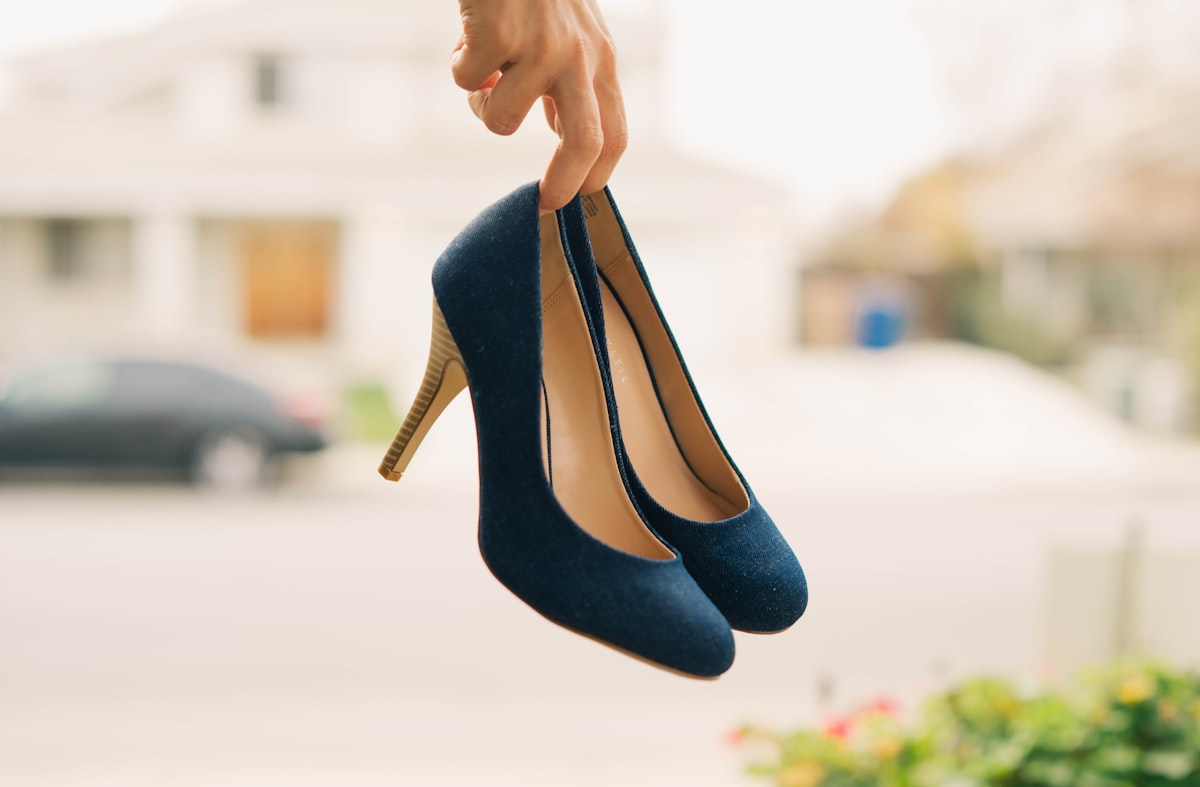
2. The heel type creates instability. A thin stiletto requires constant micro-corrections from your ankle and calf muscles just to stay balanced. Over hours, that muscle fatigue becomes pain. A block heel distributes your weight over a larger surface area — far more stable, far less tiring.
3. No insole cushioning. This is where most cheap heels fail. The ball of your foot takes a significant impact with every step. A properly cushioned insole — especially a memory foam or EVA cushion at the ball — makes an enormous difference over a full day of wear.
4. Wrong fit. Heels that are too narrow crush your toes. Too wide, and your foot slides forward and you end up gripping with your toes all day — which is exhausting and painful.
What Makes a Heel Actually Comfortable
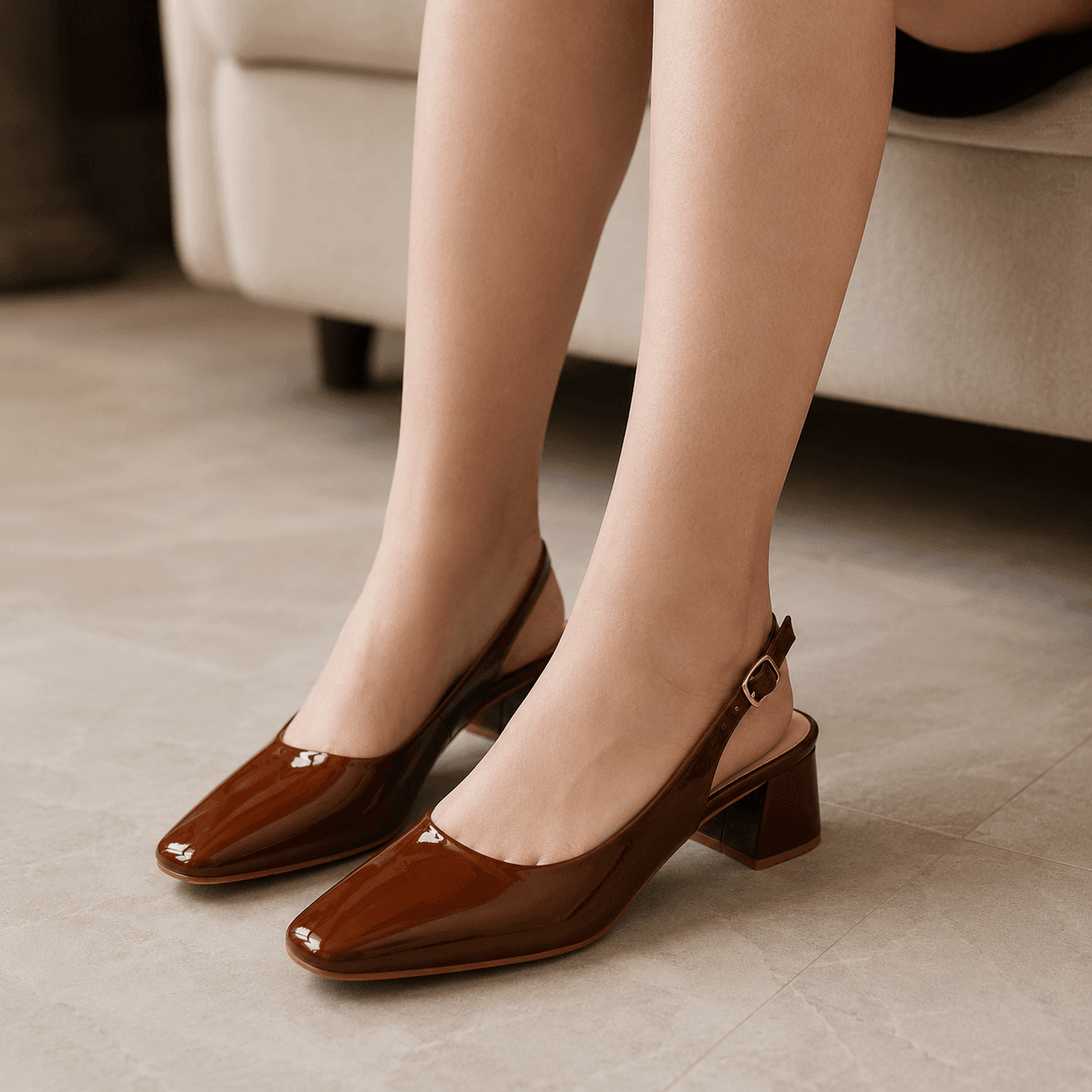
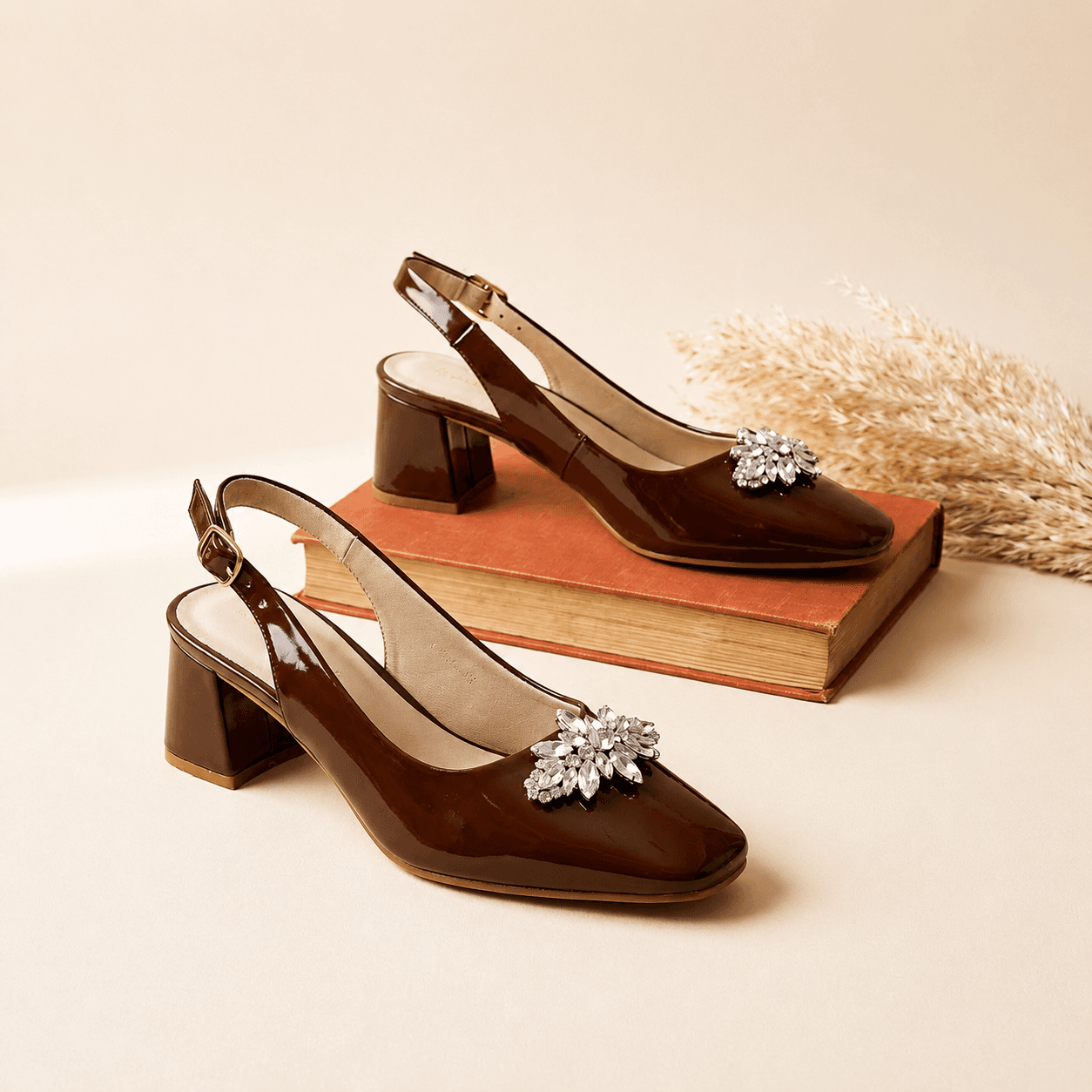
Block heel over 2 inches: The most comfortable heel shape for long wear. Stable, grounded, and far less tiring for your ankle and calf. A 2.5–3 inch block heel is where most people find the sweet spot between height and comfort.
Cushioned insole: Non-negotiable. Look for this in the product description. CLASSIE heels include a Classie Comfort cushioned insole specifically for all-day wear — it's one of the things that distinguishes them from most heels at the same price point.
Stable toe box: A square toe gives your toes room to rest naturally. A too-narrow pointed toe forces your toes into an unnatural position — fine for a few hours, painful after that.
Correct height: For most people, 2.5–3 inches is comfortable for a full day. Above 3.5 inches starts to become genuinely tiring for extended wear, regardless of heel type.
Quality materials: Soft vegan leather or suede lining inside the shoe reduces friction and blisters. Hard synthetic linings are where most budget heels create hot spots after a few hours.
Block Heels — The Comfortable Heel That Doesn't Look Like a Compromise
Ten years ago, block heels had an image problem. They felt like the sensible option — which people interpreted as the boring option.
That's changed significantly. Block heels are now one of the most fashionable heel styles precisely because they work for real life — and they look deliberately modern in a way that thin stilettos sometimes don't.
The CLASSIE Velora Black is a good example of what a well-designed block heel looks like today — 3-inch height, suede finish, cushioned insole. It's the kind of heel you can wear to a morning meeting and still feel comfortable at an evening dinner.
The Gloss Belle Black at 2.5 inches is the more casual version — slightly lower, glossy patent finish, square toe. More everyday, still elevated.
Heel-Wearing Tips That Actually Help
- Break them in at home first. Wear new heels around the house for 30–60 minutes before wearing them out. The leather or material softens slightly, and you identify any problem areas before they become blisters.
- Use gel inserts if needed. Even good heels can be improved with a gel ball-of-foot cushion. Available at most pharmacies, they're a cheap and effective upgrade for any pair.
- Size up by half if between sizes. Most women know this, but it's worth repeating — especially with pointed-toe styles where there's less room in the toe box.
- Take them off for 10 minutes every few hours. If you're at a wedding or a long event, give your feet a brief rest. You'll comfortably last twice as long.
- Stretch your calves before wearing. Wearing heels shortens and tightens the calf muscle over time. A quick stretch before you put them on, and again after you take them off, reduces next-day soreness significantly.
The Bottom Line
Comfortable heels exist. They're not a myth or a compromise. They're the result of specific design decisions — block heel, cushioned insole, correct fit, quality materials — applied consistently.
If your heels have always hurt, you haven't found the right pair yet.
Shop CLASSIE Comfortable Heels →

